


Poker And Mental Health
- Euan McNulty
- May 1, 2021
- 3 min read
Updated: May 2, 2021
Poker is a social game. There are multiple people sat around the same table for hours on end and many times conversations start laughs are shared and friends are made, this is what Ethan M. told me minutes after finishing an online game with some of his circle.
Ethan is an expat living in a small town in the south of Spain. Over a decade ago he and some buddies started a poker game at his local bar with other customers and it has become a bi-weekly game which Ethan says got him a lot closer to the local community and dramatically improved his mental health.
''I have been living in this paradaisical town for close to twenty years but I found it really hard to be happy for various reasons I won't get into. One day, a couple of years before starting this game I got diagnosed with depression.''
''One day, while at my local we got to talking about poker. At the time I was on anti-depressants and I didn't really have any hobbies to occupy my time so I probably spent too much time down there just drinking, which was no doubt not doing me any favours.''

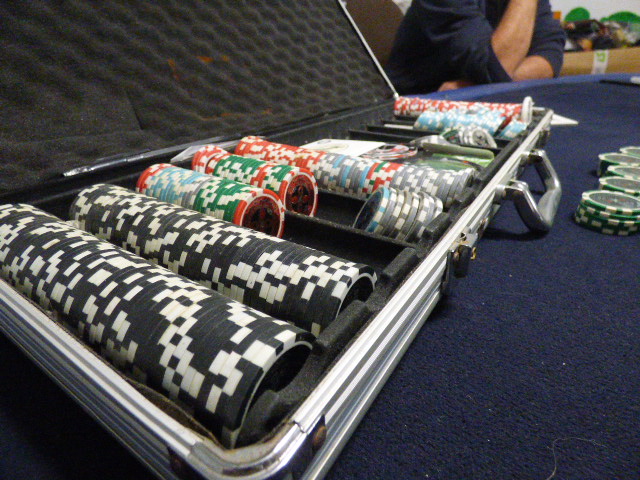

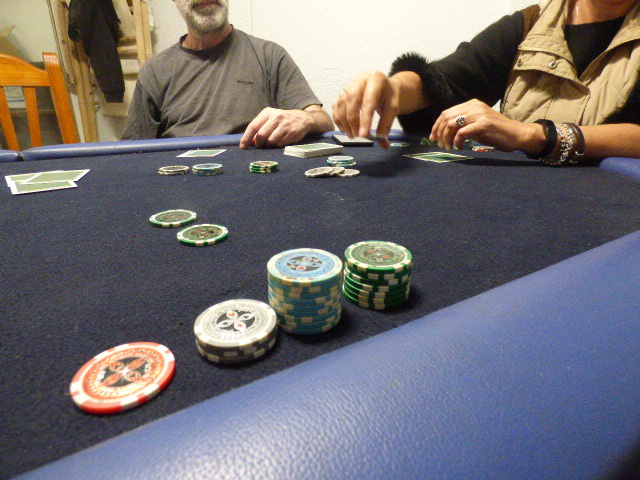

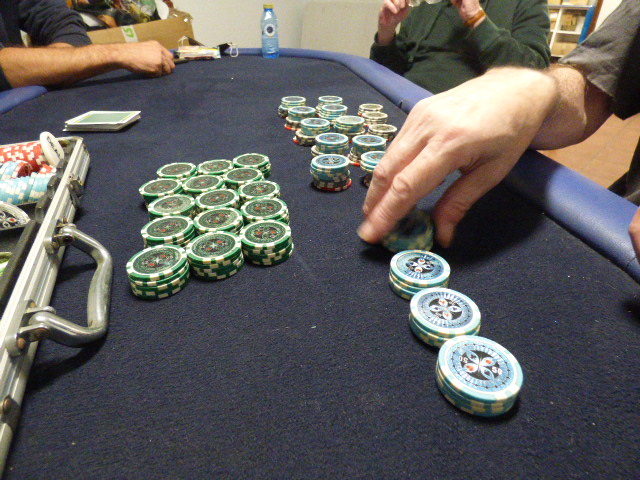

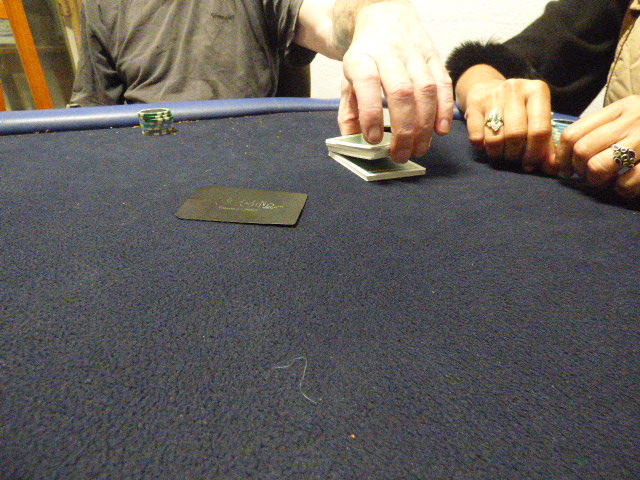

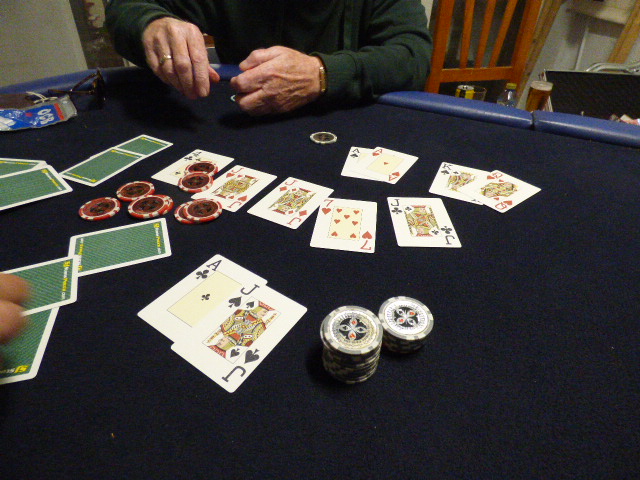

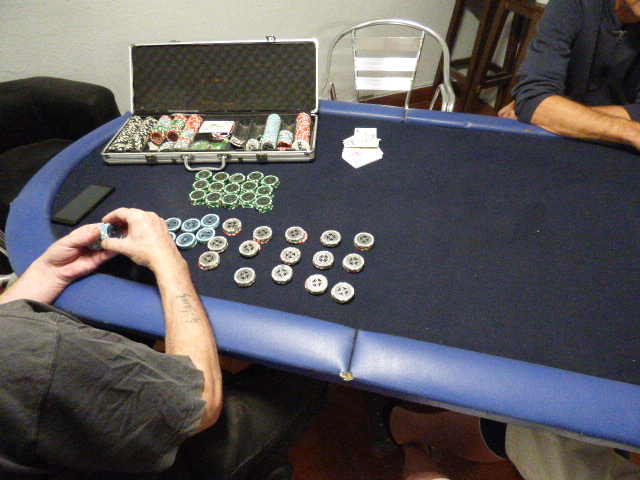
Ethan's sit & go.
A game popped up out of nowhere and with time it has become a bi-weekly sit & go meetup game with a €10 buy-in.
''I have won more than I've lost there for sure, but for me it was never about the money. I loved the social aspect of it and it is such a complex and intrical game that I found myself replaying hands in my head hours after the game had ended so it kept me occupied more than just the 5 or 6 hours we'd spend playing.
''I don't think I noticed it at the time but I started to feel happier. I would laugh more, I made closer connections with people and I made real friendships there, I had something to look forward to a couple of times a week.''
Playing poker is still gambling and it can't be advocated as a solution to serious mental health issues, in many cases it is the root cause of mental health issues such as depression. As Ethan went on to explain, ''look, I'm not saying gambling or playing poker was the solution to getting me out of the state I was in, as I explained, simply seeing people, being with them and talking to them is really what helped me and that's something I could've done without the poker game. All it did was open the door to the real solution to my problem, and that was getting out, talking to people and being social.''
Hobbies are important things to have, people need to find what suits them best, as Ethan said, ''I found something I love doing. I feel great today, better than ever. I still play poker fairly regularly and I have a good time doing it, especially after the first lockdown here.
''I got very worried I wouldn't be able to deal with it but after plauying online on PokerStars.es and Bet365, I found that you can set up a so called homegame on PokerStars where the players who join are essentially invite only. It was really fun to get theat going with the guys, I hadn't heard from a few of them in a while and it was good to get a fairly regular game going online, even though we couldn't see eachothers faces''.
Two more players who have found poker to be of help to their mental health are Ben Wilinofsky and Arron Fletcher. They both spoke to PokerNews and british cards player Ben Wilinofsky is quoted as saying, "I could sink endless hours into it, hours during which my brain was too preoccupied to spin its wheels on self-loathing and worry. Poker was something to retreat to."
Which ever way you look at it, playing poker has its pros and cons, it can make or break lives. And if you or anyone you know is suffering from something like this you should seek medical attention or call one of the following hotlines:
·Samaritans UK - 116 123
·Mental Health America - 1-800-985-5990

Comments